Lecture: Beyond the Balance Sheet

Updated: Feb 13
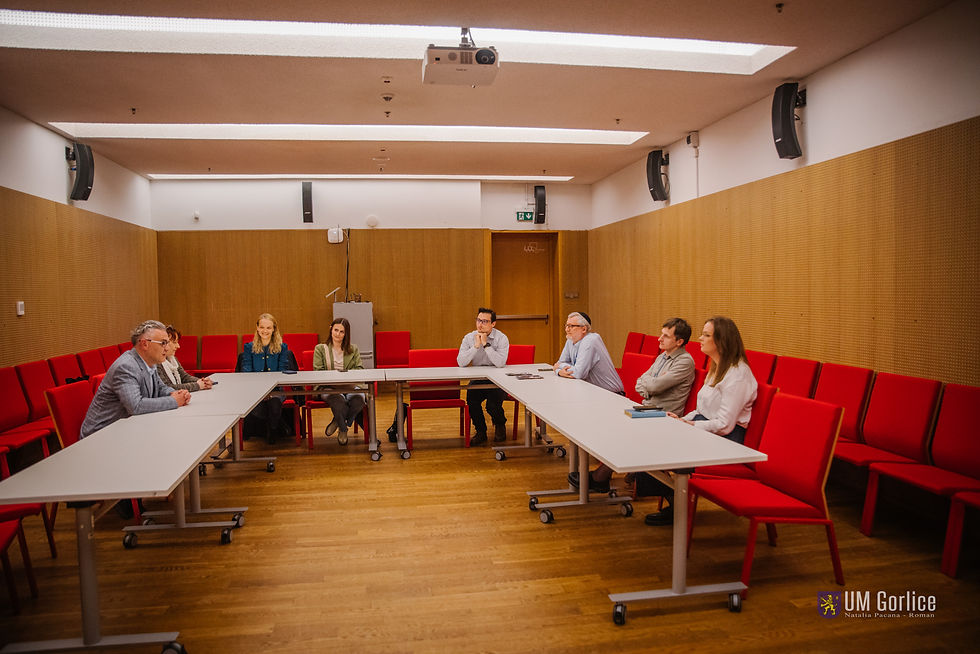
I spent about two weeks in Ljubljana, working with colleagues at the Institute of Contemporary History (INZ) there on a new project. As part of my stay, I was obliged to give a lecture on my research.
This presentation uses the perspectives of trust and the social meaning of money to understand the introduction of the Polish złoty in 1924. As the latest scholarship has shown, currency valuation is not a function of monetary factors (balance of trade, reserves, money supply), but rather is historically contingent based on the politics of the moment and visions of the future. Drawing inspiration from sociologists and behavioral economics, this presentation will uncover the historical, legal, cultural and socio-psychological mechanisms contributing to trust in a new monetary system. Poland dealt with currency chaos in the years after the end of the First World War, when post-imperial and other foreign currencies competed with the official legal tender, the Polish mark. As part of a broader tax and financial overhaul, Władysław Grabski led the foundation of a new central bank and a new currency, backed by gold.
Trust, as understood in the social sciences, indicates what people expect of one another and institutions, including the state. Money is an embodiment of trust because it represents an expectation of carrying value into the future to pay off debts and taxes as well as to be exchanged for goods and services. The point of departure for understanding trust will be to uncover how people understand money contextually, referred to as the social meaning of money.

This examination aims to understand the creation of the new national currency primarily through state-owned and private banks. Trust in money (and government) must be engendered and maintained. Thus this paper focuses on attempts to reach various populations in multiple languages (Polish, Ukrainian, Yiddish) in order to convince them of the security of the new currency.
You can watch/listen to the whole lecture here:
Comments