top of page
News
Search


A new WWI museum in the making
Back in November 2024, I had the distinct privilege to take part in a workshop in Gorlice, a small city in southern Poland, where they are planning a brand-new museum. The area is home to some amazing World War I cemeteries, and it was the site of an important battle between the imperial Russian and the Austro-Hungarian armies. Each year hundreds of people gather for reenactments and tourists from Hungary and Austria come to visit the graves of fallen soldiers. With all of th
Media Appearance: Warsaw Ghetto Uprising anniversary
Once again, I had the pleasure of talking to TVP World about the anniversary of the Warsaw Ghetto Uprising, what it means for Warsaw and for the Jewish community writ large. Check out the whole conversation here:
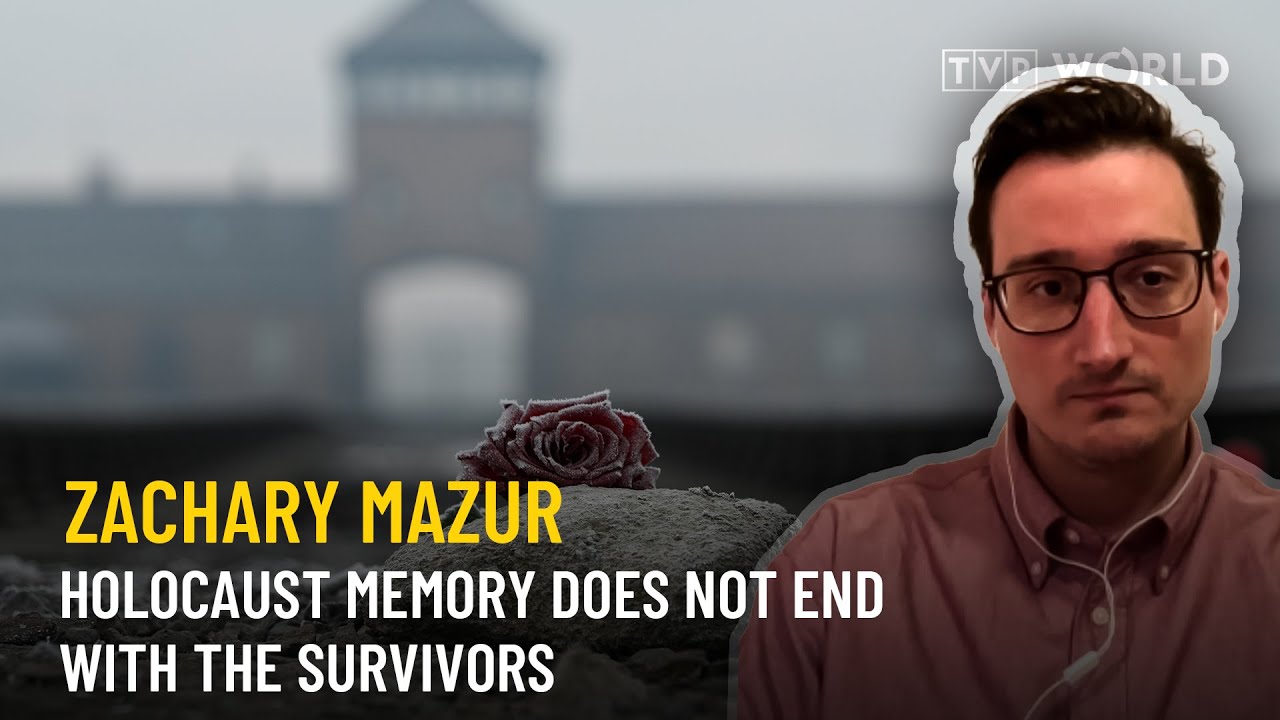
Media Appearance: Holocaust Memory
Every January 27, Auschwitz Museum hosts a massive commemoration of the liberation of the German camp. World leaders come to give speeches and survivors (some wearing camp uniforms) speak to the public about their experiences. This year, fewer than thirty survivors were able to come, a sign that the generation of survivors will soon disappear. But does that mean that the era of Holocaust memory and Holocaust history is also coming to an end? This is where my conversation with
bottom of page